

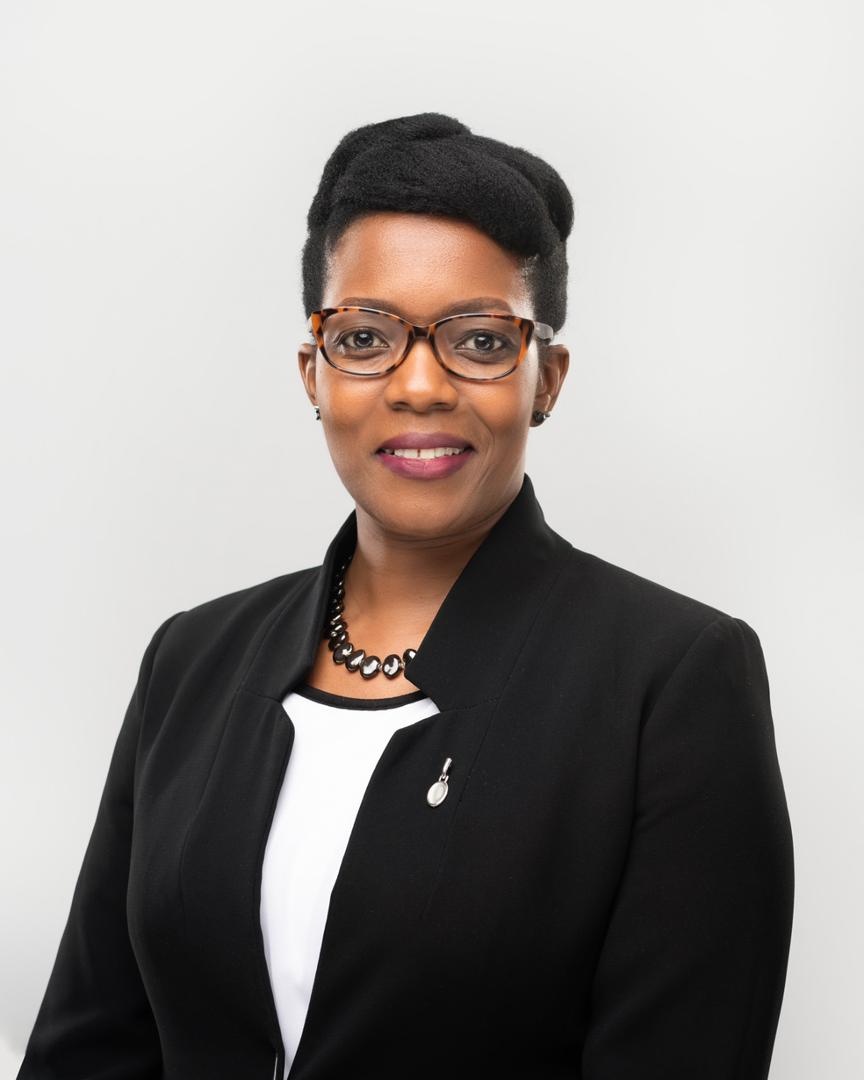
As the world prepares to mark the International Women’s Day, conversations around women’s leadership, visibility, and economic participation are gaining renewed attention. But beyond policies and programmes, one powerful force continues to shape how society understands women’s contributions: storytelling.
From media narratives to corporate communications, the stories that are told—and amplified—play a critical role in shaping perceptions of women’s roles in business, leadership, and innovation.
We spoke with Clare Tumwesigye, Head of Marketing and Corporate Communications at Equity Bank Uganda, about the power of storytelling, the importance of visibility, and why communications professionals must challenge outdated narratives about women in business and finance.
Media and communication shape how society perceives women. How can storytelling either erase women’s contributions or amplify them?
Storytelling has immense power. It shapes how people understand progress and who they see as the drivers of that progress. When women’s achievements are overlooked, minimized, or framed narrowly, it creates an incomplete picture of the role women play in families, communities, and economies.
However, when storytelling is intentional and inclusive, it amplifies voices that might otherwise remain unheard. By highlighting women as innovators, entrepreneurs, leaders, and change-makers, we reshape perceptions and inspire the next generation. At its best, storytelling reminds society that women are not just participants in progress—they are drivers of it.
At Equity Bank Uganda, how intentional is the approach to highlighting women’s achievements and economic participation?
It is very intentional. Our mission is to empower individuals, businesses, and communities socially and economically, and women are central to that vision.
Through our communications, campaigns, and partnerships, we actively highlight women entrepreneurs, professionals, and community leaders who are transforming their sectors. We also support initiatives that improve women’s access to financial services, business networks, and knowledge.
By telling these stories, we do more than celebrate success—we demonstrate that when women thrive, entire communities prosper.
What are some common stereotypes about women in business or finance that communications professionals should challenge?
One persistent stereotype is that women are risk-averse or less capable of leading in sectors such as finance or entrepreneurship. In reality, many women are highly strategic, resilient, and disciplined in managing businesses and finances.
Another misconception is that women-led businesses are small or informal by default. Across Africa, we are seeing women build scalable enterprises and lead institutions.
Communications professionals have a responsibility to challenge these narratives by showcasing the innovation, leadership, and breadth of impact that women bring to the economy.
How can brands use storytelling responsibly to inspire and empower women?
Responsible storytelling begins with authenticity. Brands should avoid sensationalising experiences and instead focus on real voices, real journeys, and real impact.
It also means highlighting women not just during commemorative moments such as International Women’s Day, but consistently throughout the year. There are diverse stories that deserve attention—from women running rural enterprises to young innovators, corporate leaders, and community builders.
When storytelling is done responsibly, it can shift mindsets, create role models, and encourage more women to pursue opportunities with confidence.
What role does visibility play in encouraging more women to pursue leadership and entrepreneurship?
Visibility is incredibly powerful. When women see others who look like them succeeding in leadership, entrepreneurship, or innovation, it expands what they believe is possible for themselves.
Representation helps break down invisible barriers and builds confidence. By making women’s achievements more visible in the media, institutions, and business spaces, we create a ripple effect that encourages more women to step forward, lead, and contribute to economic growth.
As a communications leader, what stories about women do you believe deserve more attention today?
We need to tell more stories about women who are quietly transforming communities and economies.
These include women farmers improving food systems, women running SMEs that employ others, young women innovating through technology, and professionals breaking barriers in leadership. These stories remind us that empowerment is not abstract—it is happening every day in practical and impactful ways.
By shining a light on these journeys, we celebrate progress while inspiring even greater participation.
As International Women’s Day is observed globally, the message is clear: the stories we tell shape the future we build. Ensuring that women’s voices, achievements, and leadership are visible is not just about recognition—it is about creating a more inclusive and prosperous society for all.
